
The Nature of Luck in Gambling
Luck is often regarded as a pivotal element in the world of gambling. It serves as a double-edged sword, able to both elevate and devastate players’ fortunes in the blink of an eye. In casinos, games are designed around probability, yet the outcome often feels unpredictable and reliant on sheer luck. Many enthusiasts are drawn to casino sites fast withdrawal options that promise quick returns, believing that fortune favors the bold. The excitement of potentially hitting a jackpot or winning a hand adds to the allure of gambling, emphasizing the role of luck.
The impact of luck becomes even more pronounced in games of chance, such as slots or roulette. These games operate on random number generators or spinning wheels, where players have little to no control over the outcome. For instance, a player may spin the reels on a slot machine and, through pure luck, trigger the bonus rounds that yield incredible payouts. Such serendipitous moments create a memorable experience that keeps players returning for more, hoping to replicate their fortunate streaks.
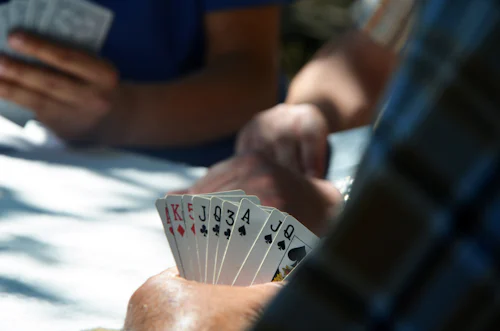
Conversely, in skill-based games like poker, while luck plays an important role, mastering the strategies can tilt the odds in a player’s favor. Players may experience a string of bad luck with their card draws, yet their ability to read opponents and make calculated decisions can significantly influence the overall outcome. In this respect, luck acts as a catalyst that works alongside skill, highlighting the complex relationship between chance and expertise in a casino environment.
The Psychological Aspect of Luck
The psychological implications of luck are profound in casino settings. Many players attribute their wins or losses to luck, which influences their approach to gambling. This belief can lead to a phenomenon known as the “gambler’s fallacy,” where players mistakenly think that past events will affect future outcomes. For example, if a player sees a number rarely hits on the roulette wheel, they may feel compelled to bet on it, believing that it is “due” for a win. This mindset illustrates how luck is intertwined with human psychology, shaping gamblers’ behaviors and expectations.
Moreover, the narratives built around luck often enhance the thrill of engaging in casino activities. Players frequently recount stories of fortune—whether it was their aunt hitting the jackpot or a stranger winning big on a game of chance. These anecdotes create a communal sense of hope and possibility, further fueling the desire to gamble. The stories surrounding luck can be as exhilarating as the games themselves, reinforcing the casino’s role as a place where dreams come to life.
Emotional highs and lows are inherent in the gambling experience, deeply rooted in the notion of luck. Winning can lead to euphoric feelings, while losing may evoke disappointment and frustration. This emotional rollercoaster keeps players engaged, as they aspire to recreate past triumphs. Casinos often capitalize on this dynamic by offering rewards and incentives to keep players hopeful of future lucky breaks, thus ensuring a continuous cycle of participation.
The Role of Randomness in Casino Games
At the core of casino games is the principle of randomness, which greatly influences the role that luck plays in gambling. Randomness ensures that no two games are alike, creating an environment where players can’t predict outcomes with certainty. This unpredictability is what makes games such as blackjack, baccarat, and slots thrilling. The element of surprise keeps players on the edge of their seats, hoping for a serendipitous turn of events that might lead to substantial winnings.
Modern casinos employ advanced technology, including random number generators, to guarantee the fairness of their games. However, the reliance on luck remains a critical aspect of the gambling experience. Players often cling to the belief that they can create their own luck or that certain rituals—like wearing lucky clothing or performing specific actions before placing bets—will influence the outcome. This attachment to rituals underscores the deep-seated belief in luck among gamblers, showcasing how intertwined chance is with the gaming experience.
In addition to the gaming environment, external factors such as the casino’s ambiance can affect players’ perceptions of luck. Bright lights, celebratory sounds, and the presence of cheering crowds can create an atmosphere that enhances feelings of excitement and potential fortune. Players may feel “luckier” in an electric environment compared to a more subdued setting. This interplay between randomness and perception illustrates the complexity of luck’s role in casino success, as it shapes both player experience and behavior.
The Impact of Luck on Long-term Success
While luck plays a significant role in individual gambling sessions, its impact on long-term success is subject to debate. Some players experience fleeting moments of luck that lead to temporary wins, while others may find that persistent losses overshadow their occasional victories. Statistically, the house always has an edge in most casino games, suggesting that luck alone cannot guarantee sustained success. Over time, a player’s skill level, decision-making abilities, and bankroll management become equally crucial in determining their overall success in casinos.
Moreover, the understanding of probability and odds can empower players to make informed choices that may mitigate the randomness associated with luck. For example, players who are knowledgeable about the odds of different bets in blackjack can strategically place their wagers to maximize potential returns. In this context, while luck remains an unpredictable factor, a player’s ability to adapt and leverage their understanding can significantly enhance their long-term performance.
In addition, players who view gambling as entertainment rather than a primary source of income often enjoy a healthier relationship with luck. This perspective allows them to appreciate the thrill of the game without placing unnecessary pressure on themselves to win. By recognizing the transient nature of luck, players can cultivate resilience in the face of loss, contributing to a more satisfying casino experience over time. Ultimately, luck may be a prominent force in gambling, but it is not the sole determinant of success.
The Importance of Responsible Gambling
As luck continues to play a critical role in casino success, it’s essential for players to practice responsible gambling. Maintaining a balanced approach ensures that individuals can enjoy the thrill of chance without falling prey to potential pitfalls associated with excessive gambling. Understanding the role of luck can aid players in setting realistic expectations about their experiences. By viewing wins and losses as part of the broader gambling journey, individuals can safeguard their well-being while experiencing the excitement of the casino.
Furthermore, many casinos and online gaming platforms promote responsible gambling initiatives. These programs encourage players to recognize their limits, establish budgets, and stay aware of their gambling behaviors. By fostering a culture of accountability, the gaming industry acknowledges the dual nature of luck and its potential impact on players’ lives. This proactive approach helps mitigate the risks associated with gambling while preserving the excitement and enjoyment players seek.
Ultimately, luck will always be an inherent aspect of the gambling experience, but it should not be the sole focus of a player’s journey. By adopting responsible gambling practices and understanding the relationship between luck and skill, players can create a more positive and rewarding casino experience. Engaging in gambling should be about fun and entertainment rather than merely chasing luck, enhancing the overall enjoyment of the games.

